
The commercial real estate family is a big one. There are a large number of different sectors you can invest in, but it's essential you choose the right one to fit your personal needs and goals. Here's the science behind picking out the correct option.
Let's start with the Megatrends
Back in the 1980s, John Naisbit wrote a book about the seismic shifts in America and coined the term "megatrends". There is a huge amount of upheaval in the U.S. right now, and here are some of those "megatrends" in play:
- The need for affordable housing.
- Population shifts from north to south.
- Baby Boomers have dropped from 2/3 of the population to only 1/3: America is getting younger.
- The internet has changed how we shop.
- Remote work.
- Population movement from suburbs to exurbs.
- The cost of new construction since 2000 has skyrocketed.
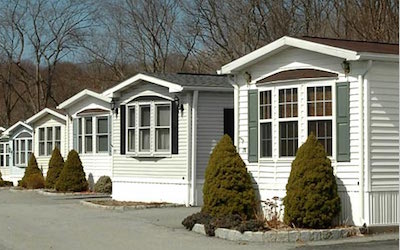
Each sector of real estate aligns with certain of these "megatrends" and others do not. Choose a sector that will ride the wave of these seismic shifts. For example, mobile home parks will be pushed forward by the need for affordable housing, while office buildings are on the wrong side of the remote work trend.
How much money are we working with?
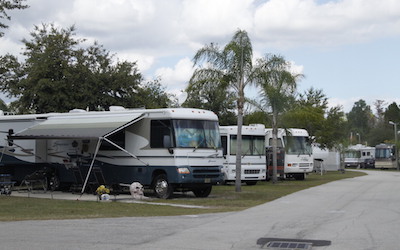
Some sectors require much more capital than others. While zero-down deals proliferate in RV Parks, they are unheard of in shopping centers. If you have unlimited capital for down payments, this is not an issue, but for most investors there is the need to match your investment funds to the right price point. And some niches – such as mobile home parks – have three different methods to achieve little or no capital needed: 1) zero down deals with seller financing 2) master-lease with option and 3) selling assignments. Remember that a standard measure of down payment is 20% to 30% of deal size.
What's your appetite for risk?
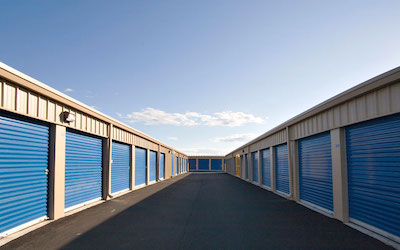
This is an area in which there are some huge differences between sectors. First you have the issue of diversity. A strip shopping center has maybe five big tenants while a self-storage facility has maybe 200 little ones. And then you have the matter of the risk embedded in the business model itself. While apartments have strong demand and rarely have vacancy, office buildings can sit vacant for years. And, on top of that, you have the issue of how long the tenants stay when they show up. While the average tenancy in a mobile home park is 14 years, the average length of stay in an RV park is 14 days. And don't forget the difference between luxuries (boat marinas) and necessities (housing).
How much time do you have for management?
This can be a huge factor on choosing the right niche. Some sectors of commercial real estate require nearly zero management time (triple net buildings) while others require hands-on supervision (self-storage). In general, the amount of management effort relates back to how long the tenant's lease is, as most of the management time is spent in finding new customers. Sectors with long-term tenants require less effort than shorter ones. But an additional factor is how often you have to perform capital expenditures, such as remodeling and upgrades. For example, mobile home parks just rent land while hotels require daily physical plant renovations.
Putting it all together
Based on these factors, the correct investment option in commercial real estate should start to become clear. In our opinion, these are the leading niches you should be exploring – in order of interest:
- Mobile home parks.
- Low-cost apartments.
- Industrial outdoor storage.
- RV Parks.
But that's not to say that there are not many other options that might be the right fit for you.
Conclusion
Just like the old expression about work that you should "find something you love and you'll never work a day in your life" the same is true about choosing the right commercial real estate investing niche. The more time you spend picking the right sector, the better your investing results will be.